 (WOMENSENEWS)–Ashley Hoffman is pregnant, lives in Alabama and loves visiting the beach.
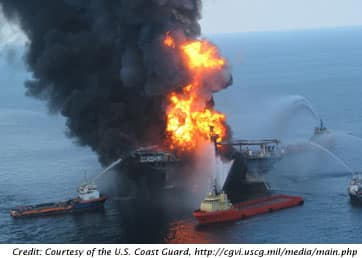
But this summer the hundreds of millions of gallons of crude oil that have spewed into the Gulf of Mexico from the explosion of BP’s Deepwater Horizon oil rig on April 20 are keeping her and other pregnant women out of the ocean.
"If the beach looks clean, smells clean, I might walk on it," said Hoffman, who is 24-weeks pregnant. Women’s eNews found Hoffman and other pregnant women through Gulf Coast La Leche League chapters. "But other than that we’ll be sticking to the pool."
The same goes for her 21-month-old daughter. "If she walks on the beach, she will have shoes on or be held by an adult," said Hoffman, who lives in Atmore, a town in southern Alabama.
For Jessica Tuggle of Tuscaloosa, Ala., who is in her first trimester, the big issue is the chemical dispersants being used by BP workers to break up leaking oil. More than 1.8 million gallons of dispersants have been used on the Gulf surface and underwater, according to federal officials monitoring the spill.
"The dispersants make me nervous," said Tuggle. "I’ve heard some people have had allergic reactions." She won’t let her toddler go into the water.
Use of chemical dispersants, which break up surface oil and send oil droplets into the water column, remains controversial. While the dispersants keep surface oil out of marshes, the oil remains in the environment and can affect humans and marine animals. The Atlanta-based Centers for Disease Control and Prevention, known as the CDC, says it’s "unlikely visitors and people living in coastal areas will come in contact with dispersants."
Dispersants Impact Health
However, those handling dispersants could experience dry skin, respiratory or eye irritation or chemical pneumonitis if aspirated into the lungs. Excessive and repeated exposure to one chemical–2-butoxyethanol–has even worse side effects, according to the CDC.
"I wouldn’t even eat Gulf shrimp right now, which is really sad, because I really like shrimp," said Tuggle. "I’ll go to the beach, but I won’t get in the water."
She hasn’t discussed the situation with her doctor; she’s relying "on my own instincts."
On July 19, the Environmental Protection Agency, EPA, reported low levels of "odor-causing pollutants associated with oil" on the Gulf shore.
Some people with sensitive noses "may be able to smell several of these chemicals at levels well below those that would cause short-term health problems," the EPA said.
The CDC noted on its Web site that pregnant women may be affected by the strong smell and advised them to "stay indoors, set your air conditioner to reuse indoor air and avoid physical activities that put extra demand on your lungs and heart."
A special respirator, N95 with an odor control feature, may help relieve nausea, although it is not needed for safety, the CDC says.
The agency also says the oil may contain chemicals that could cause harm to a fetus under some conditions.
Upon reviewing sampling data from the EPA, the CDC says it found levels of dangerous chemicals well below what could generally cause harm to pregnant women or their fetuses.
The CDC says the effects of petroleum hydrocarbons, which oil contains, on pregnant women depend on an array of factors, such as how the mother came into contact with the oil, how long she was in contact with it, how often she came into contact with it and the overall health of the mother and the fetus.
Hospitals Unaware of Recommendations
 Half a dozen hospitals and health officials along the Gulf Coast told Women’s eNews they weren’t aware of the CDC recommendation.
"The CDC’s recommendations regarding pregnant women and the Gulf oil spill are good common sense and the Mississippi State Department of Health agrees with them," Mississippi Health Officer Dr. Mary Currier said in an email interview.
Gina Solomon, a senior scientist at the Washington-based Natural Resources Defense Council, told Women’s eNews in a phone interview that she thinks pregnant women should avoid going into oil-contaminated waters.
Petroleum hydrocarbons, Somon notes on her blog, are both toxic and irritate the skin and airways. Volatile organic compounds, or VOCs, in oil "can cause acute health effects such as headaches, dizziness and nausea. Over the long term, many of these chemicals have been linked to cancer, so there are lots of reasons to worry about inhaling them," Solomon writes.
"These are not areas where I would recommend swimming," said Solomon, who also teaches at the University of California at San Francisco and sees patients in a clinic. "It’s fine if you are on the beach; stay above the high-tide line. There are plenty of other fun things to do along the Gulf Coast."
Solomon has heard from panic-stricken pregnant women who wonder if they should move, but she doesn’t think there’s an immediate health threat.
"There are certain steps, short of moving, that are relatively easy and reasonable," said Solomon, such as avoiding the water and seeing a doctor if you have symptoms.
U.S. Poison Control Centers have fielded more than 800 calls nationwide about exposure to a possible toxin related to the underwater gusher. Most of the calls have come from Louisiana, Florida, Alabama and Mississippi, and most exposures so far have been via inhalation but there are also many questions about skin contact.
The most common symptoms reported are headaches, nausea, vomiting, diarrhea, throat irritation, eye pain, coughing-choking and dizziness, according to the poison control Web site.
Not Losing Sleep Over It
Dana Warner, a trained geologist, was 38 weeks pregnant on July 19 when Women’s eNews talked to her by phone. She says she knows about the hazards of oil, and isn’t losing sleep over it.
"There’s always been little tar balls here and there because it’s a natural occurrence for oil to seep up from the bottom of the Gulf," said Warner.
But like other women, Warner is particularly leery of the chemicals that have been applied to abate oil slicks.
"I’m concerned about all the chemicals and dispersants they’ve been dumping in the water to deal with the oil," said Warner. "I would just hate to swim in the Gulf and then a few years down the road they announce that if you swam in the Gulf during this time, you could have cancer or it could cause birth defects. So for now, I’m just enjoying the sand!"
Warner’s doctor hasn’t warned her out of the water, which she says has been the experience of friends of hers who are also pregnant.
Moira Anderson Miller, owner of River Rock Yoga in Ocean Springs, Miss., sees some pregnant women among her students.
"I’m seeing a lot of emotional stress from what’s going on; anxiety and sleeplessness and fear about the future," she said.
Miller knows many families who are not frequenting beaches as much as before.
"My family grew up going on the water, going to the islands every weekend," said Miller. But this summer it’s different. "The beaches are covered in oil on the islands. If you fly over the area in an airplane, you can see it."
Diane Loupe is a freelance writer and editor in Decatur, Ga.
For more information:
The CDC’s Fact Sheet for Pregnant Women:
http://www.bt.cdc.gov/gulfoilspill2010/pregnant_women.asp
Gina Solomon’s blog:
http://switchboard.nrdc.org/blogs/gsolomon/
Alabama Gulf Coast Convention and Visitors Bureau posts daily updates of the condition of the beaches.:
http://www.thebeachfacts.com/default.aspx